
10 Best Things to Do in Kyoto
|
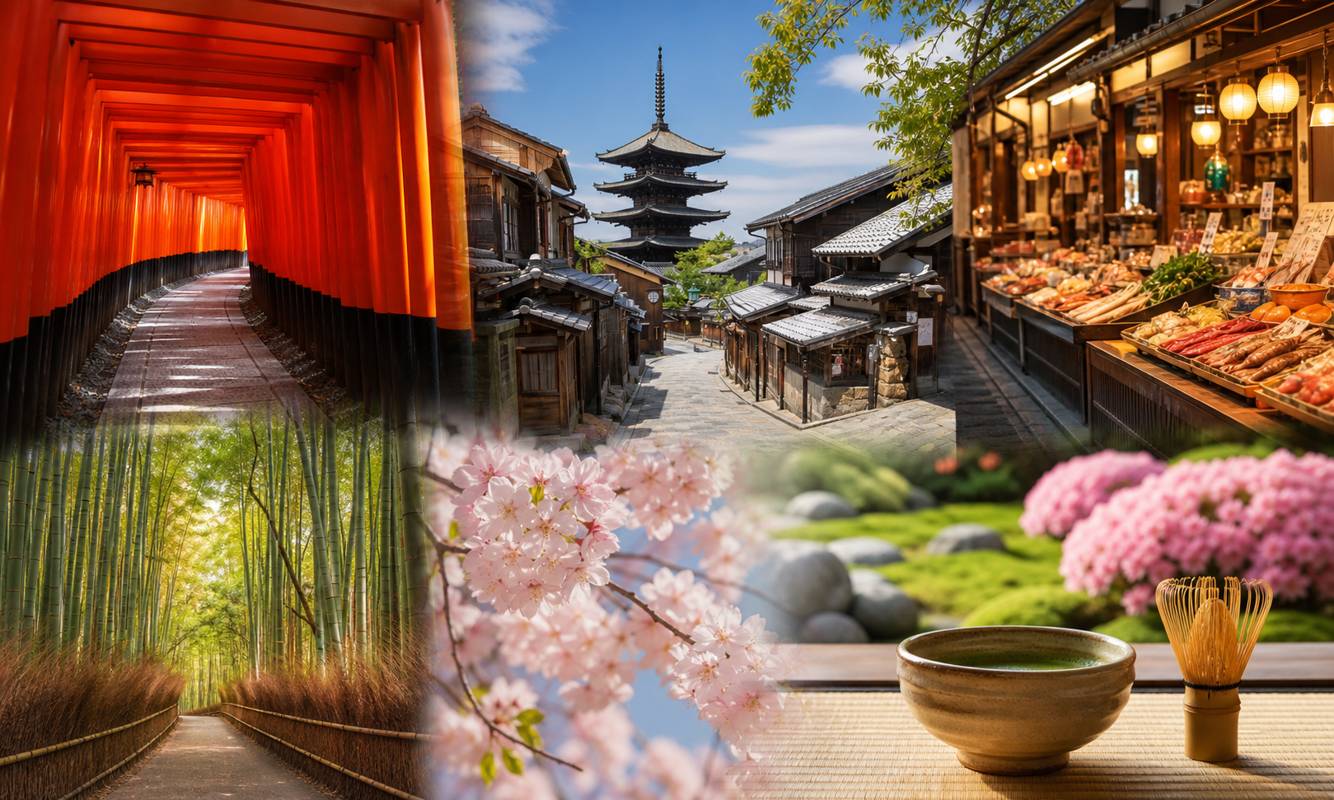
KYOTO SIGHTSEEING | CULTURE | FOOD | FAMILY ACTIVITIES Top 10 Things to Do in KyotoA curated Kyoto guide for first-time visitors, families, couples, and travelers who want temples, food markets, gardens, seasonal events, and hands-on cultural experiences in one easy plan.
|
|
Looking for the best things to do in Kyoto? This updated guide brings together must-see temples, traditional streets, local food, new indoor attractions, family-friendly spots, and cultural experiences that are easy to combine around downtown Kyoto, Gion, Nishiki Market, and major sightseeing areas. |
| Contents | |||||||
|
Top 10 Things to Do in Kyoto
1. Samurai Ninja Museum Kyoto |
||||||||||
|
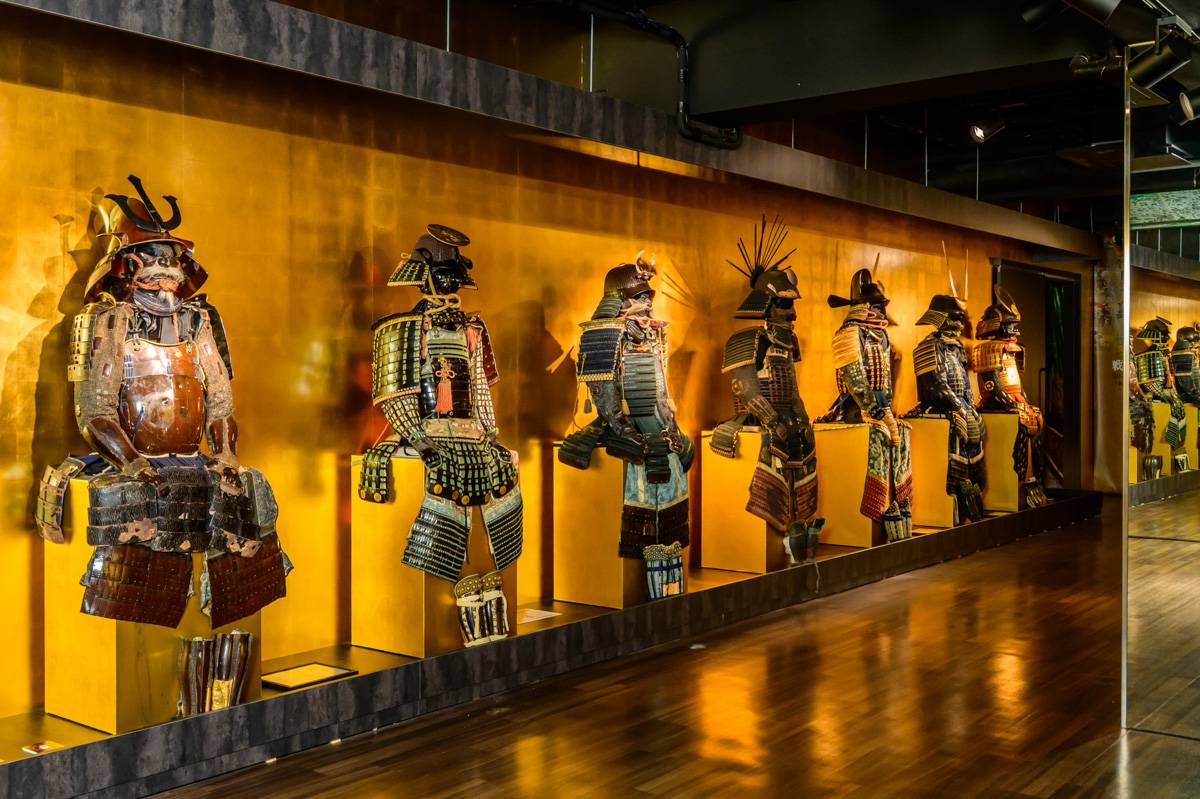
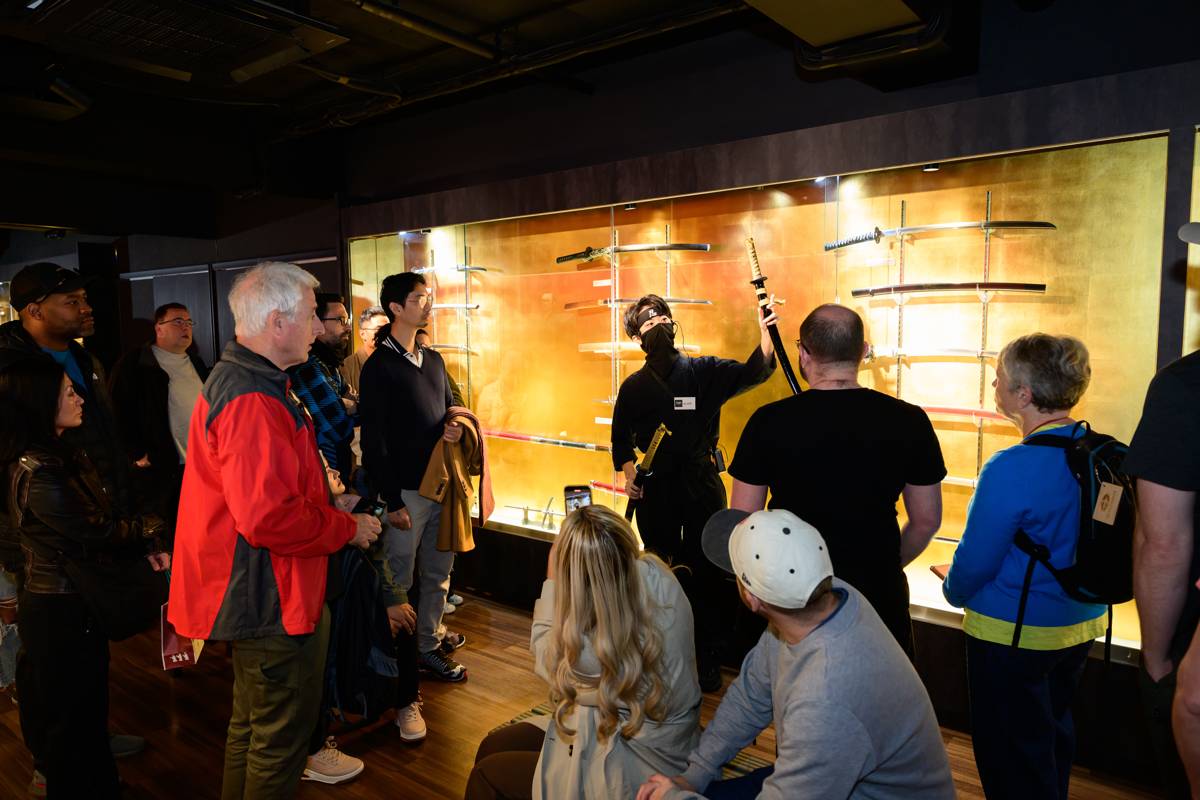
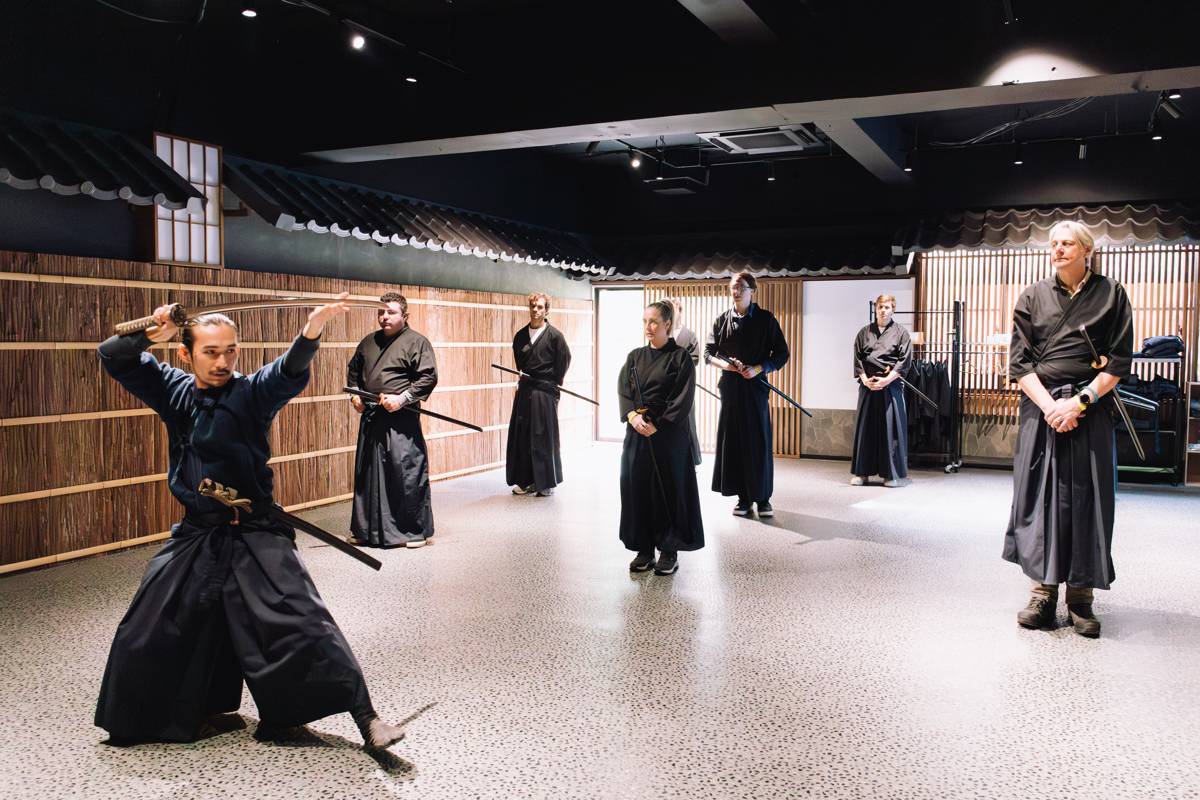
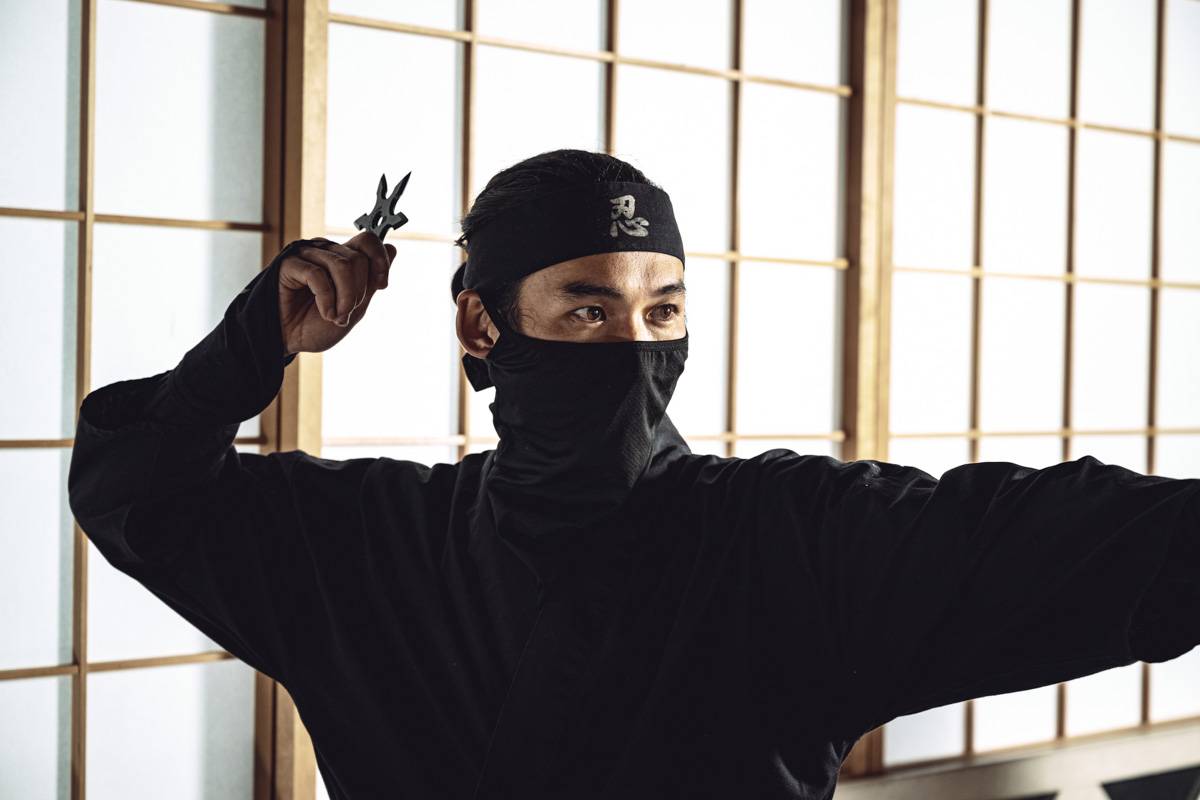
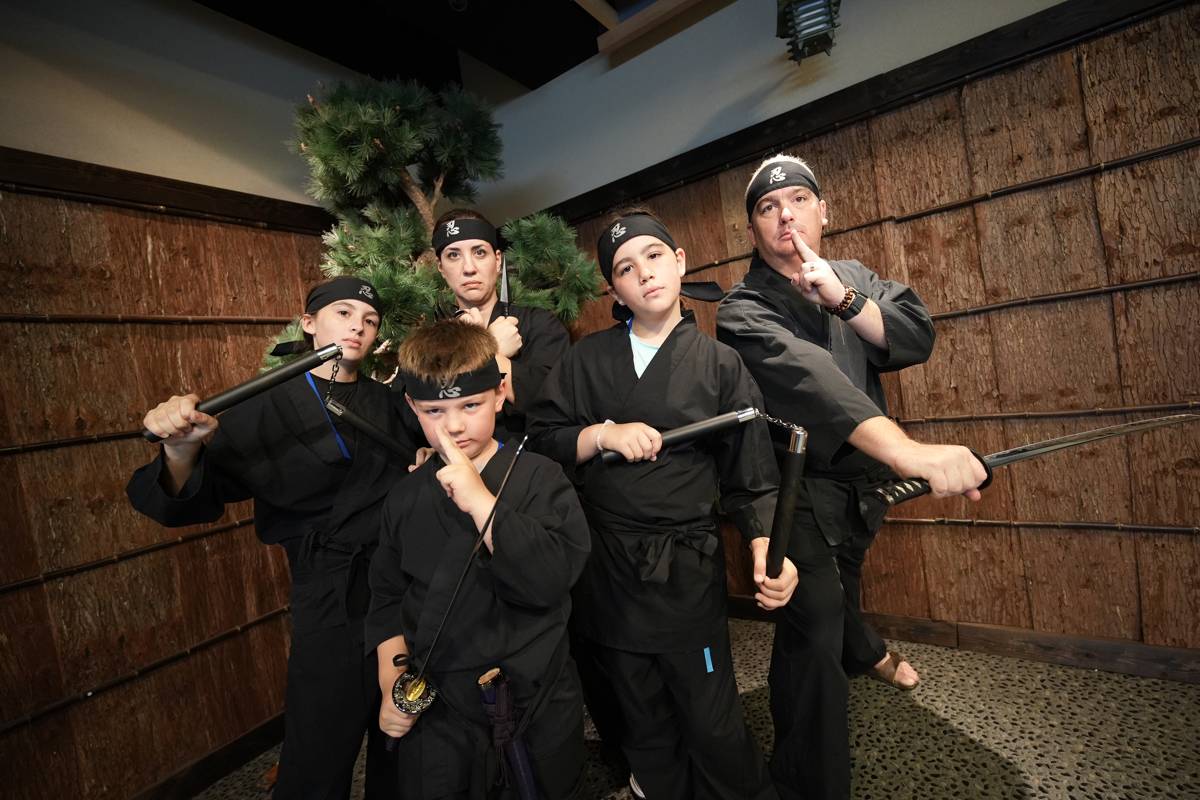
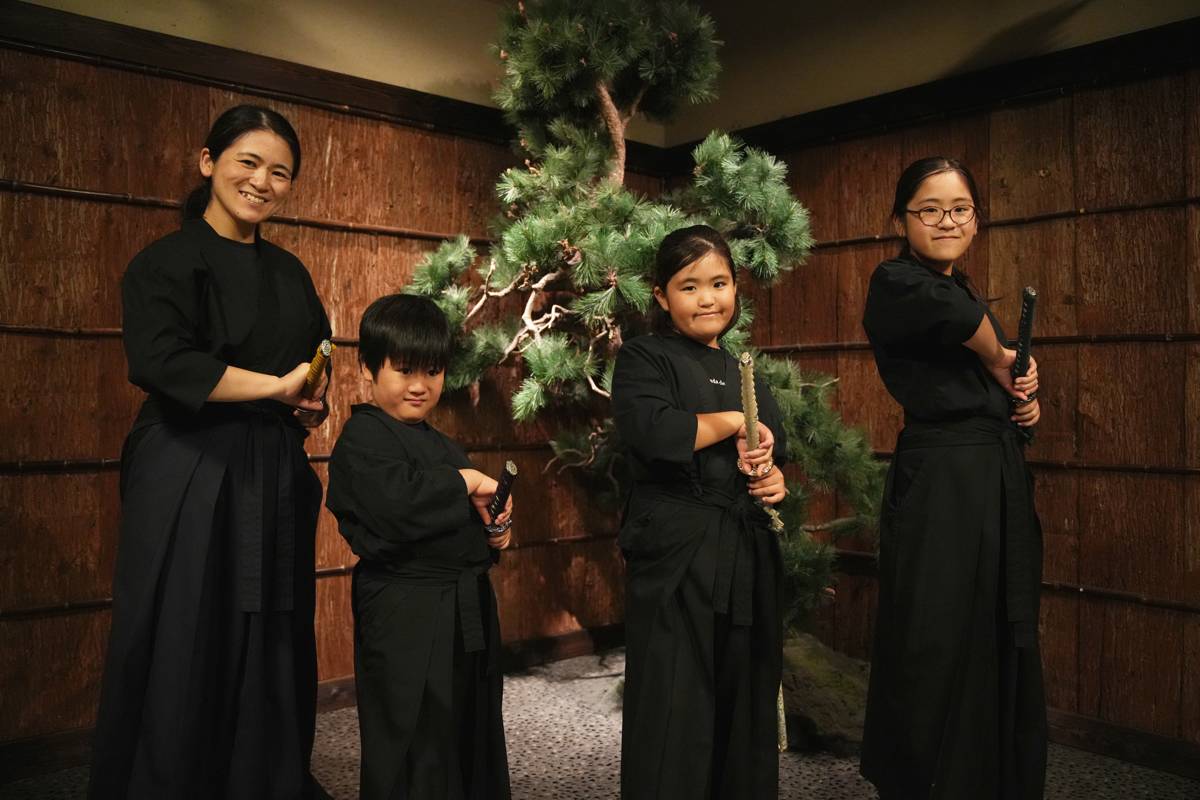
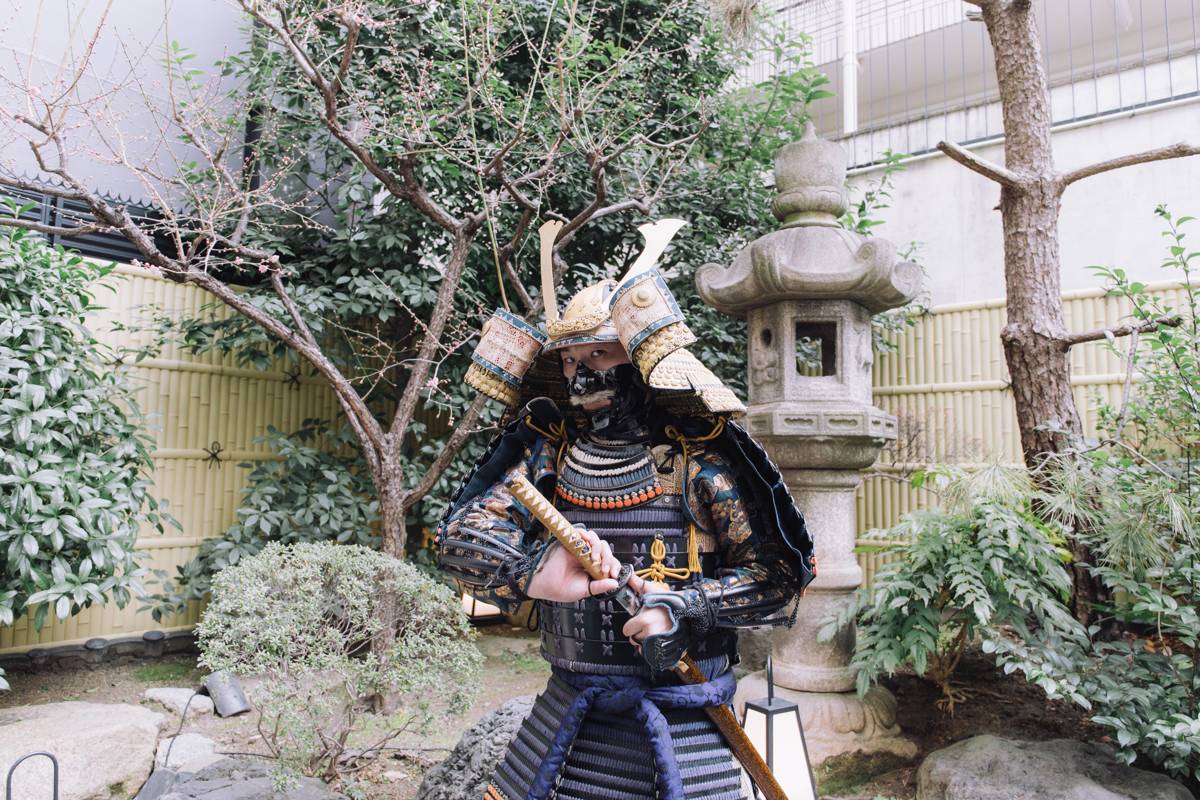
Step into Kyoto's samurai history through armor, swords, ninja tools, and hands-on cultural experiences in the heart of downtown Kyoto. If you are searching for the best indoor activities in Kyoto, Samurai Ninja Museum Kyoto is one of the easiest cultural experiences to add to a sightseeing day. Located near Nishiki Market, Teramachi, Shinkyogoku, and Shijo-Kawaramachi, it fits naturally into a downtown Kyoto itinerary. The museum combines a guided tour with samurai armor, Japanese swords, ninja tools, photo-friendly exhibits, and optional hands-on activities. It is a strong choice for families, couples, groups, history fans, and travelers who want a Kyoto experience that feels more active than another temple visit.
|
2. Traditional Tea Ceremony in Kimono at Maikoya |
||||||||||
|
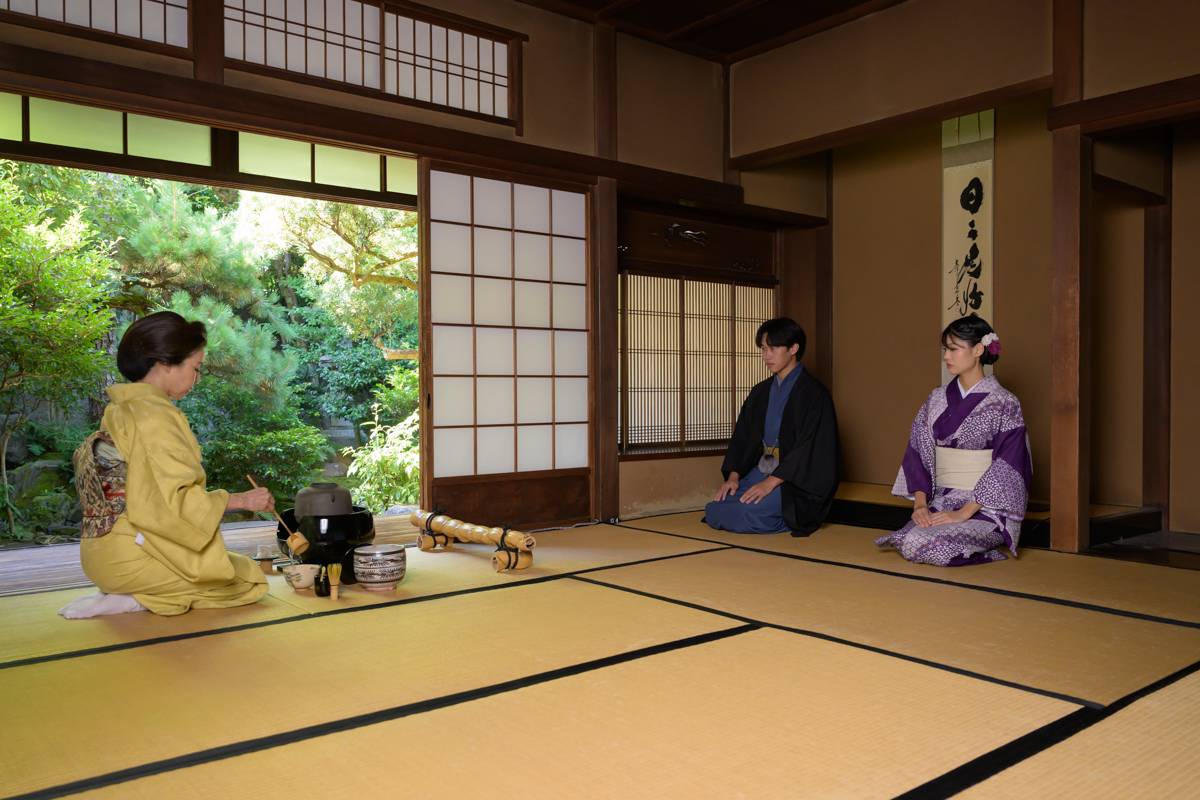
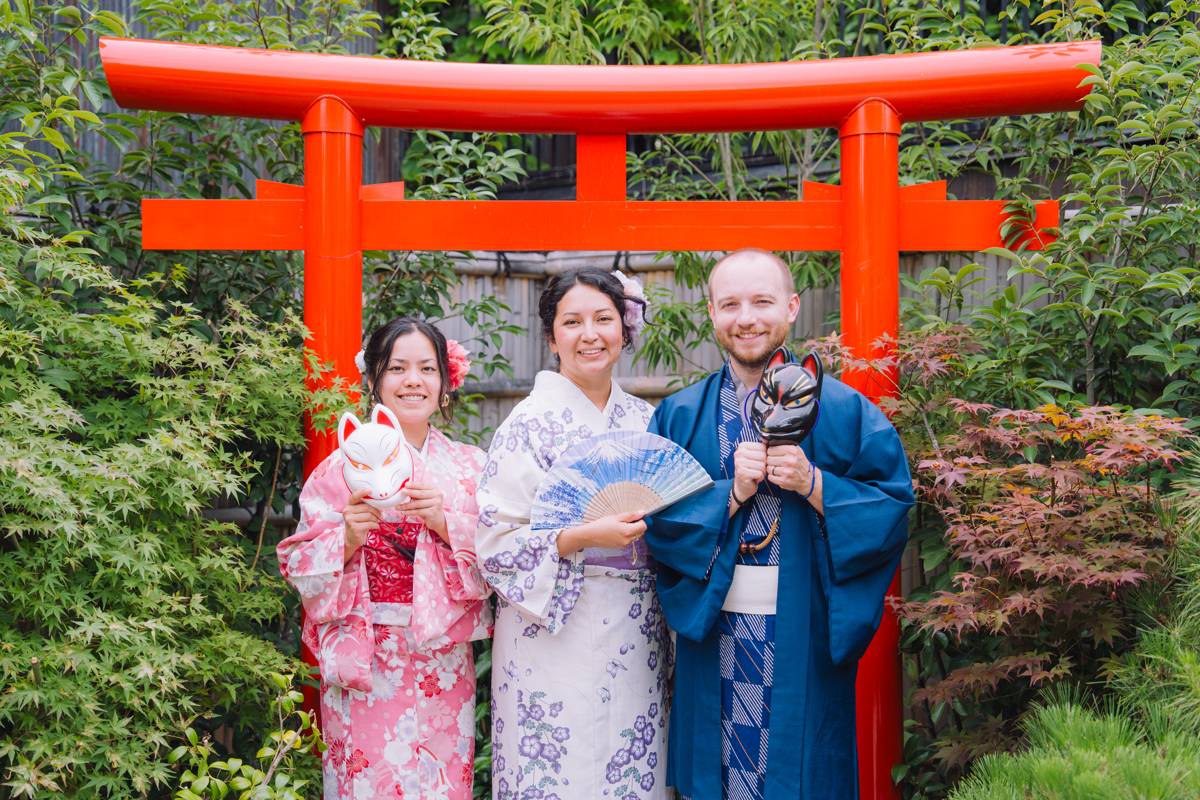
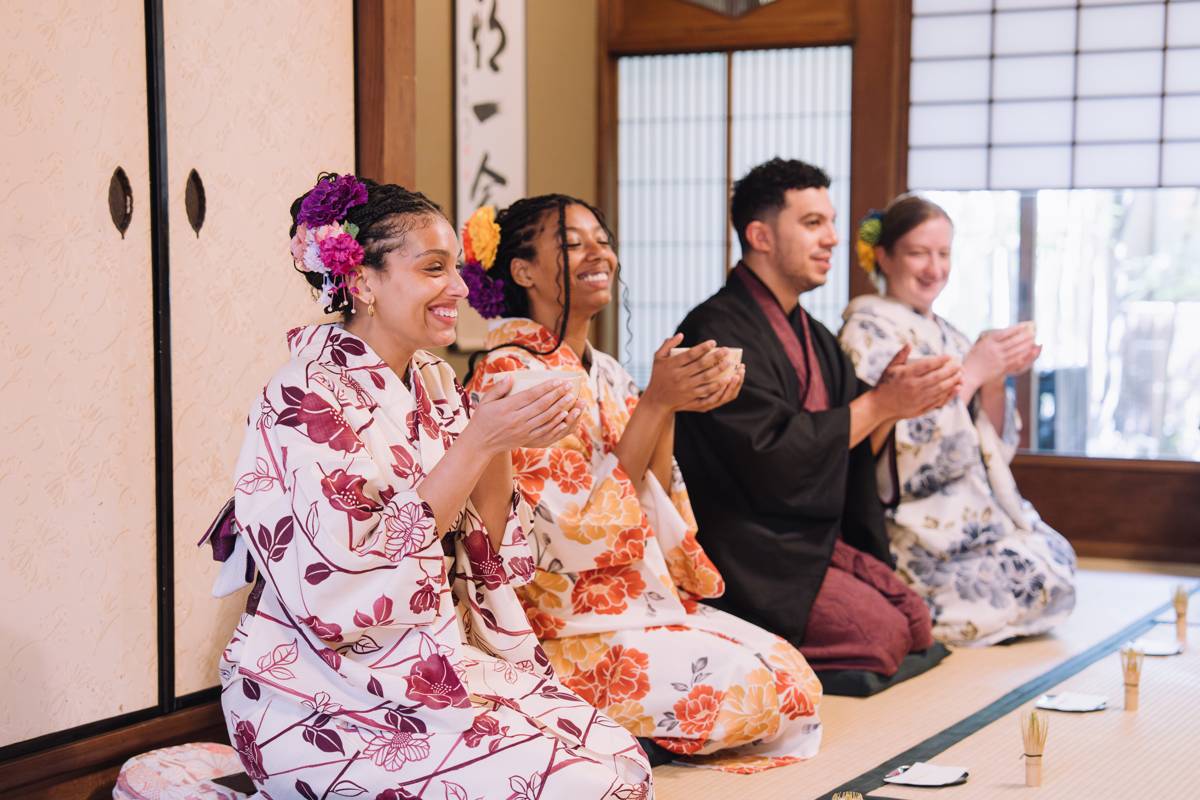
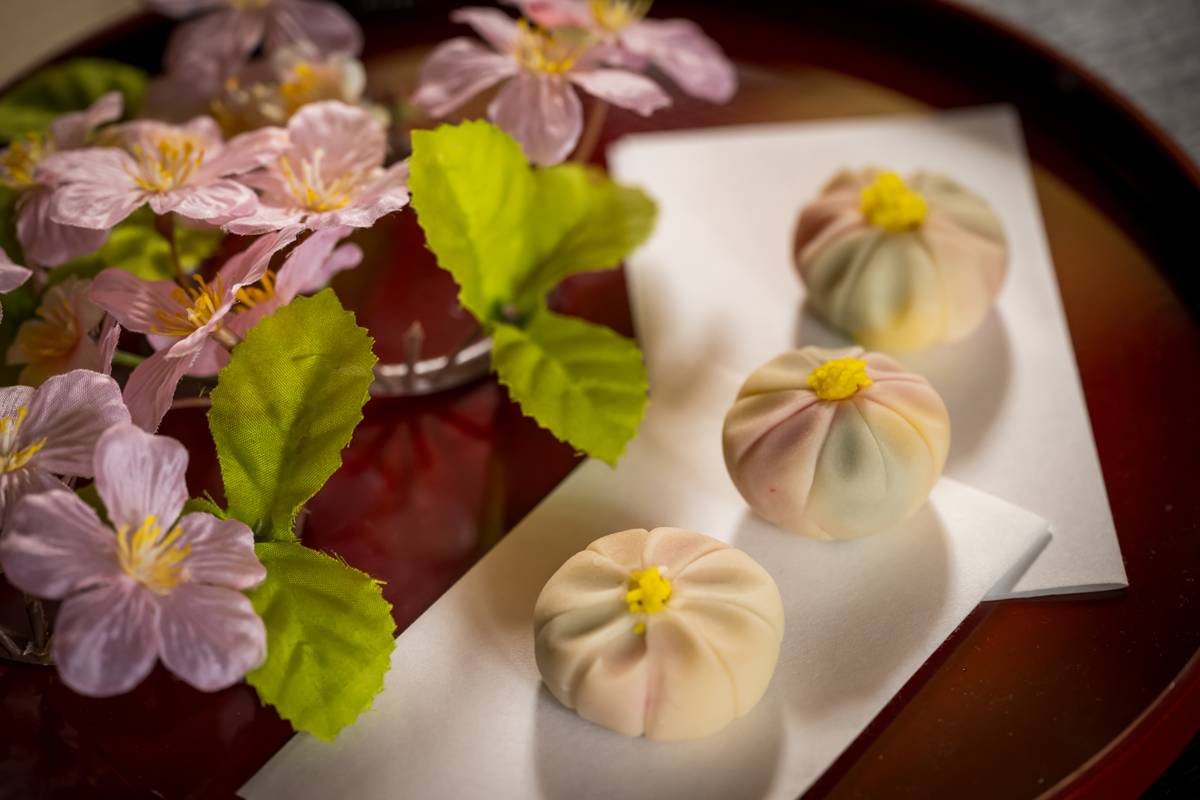
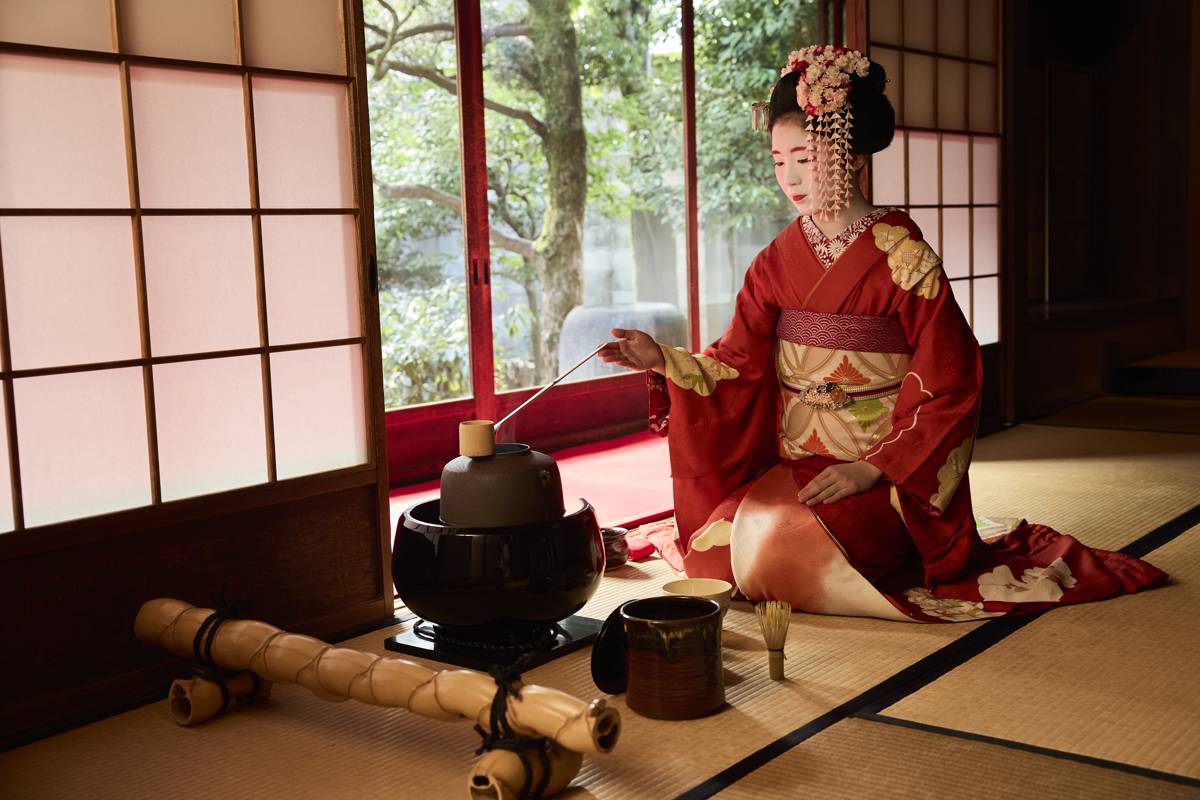
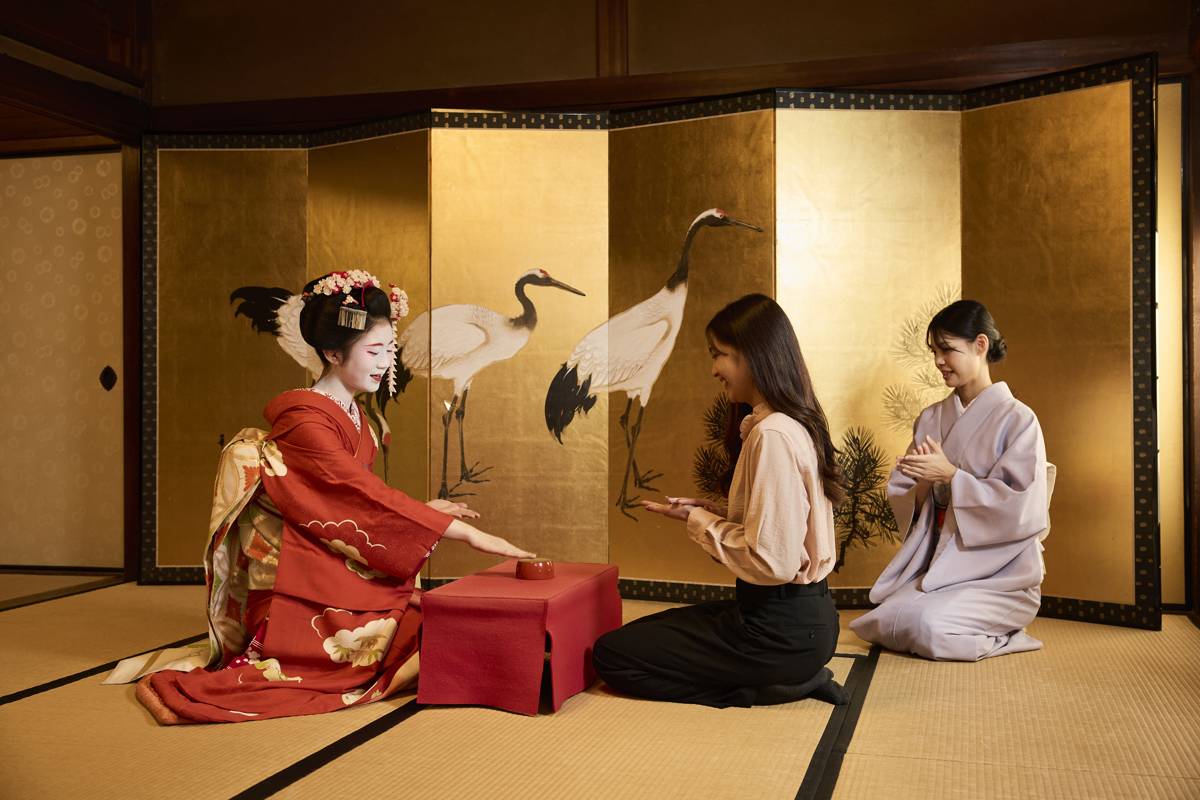
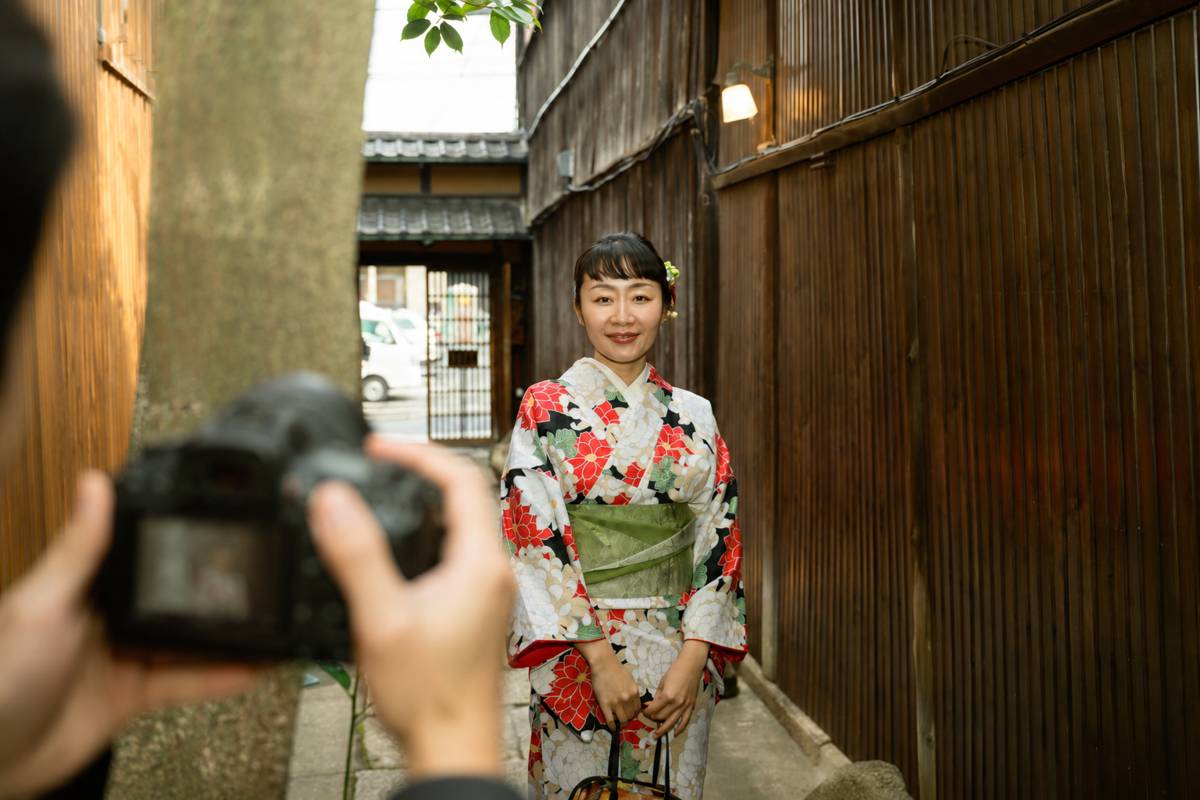
Wear kimono, make matcha, enjoy Japanese sweets, and experience a calm Kyoto tea ceremony in a setting that fits naturally into Gion, Nishiki, or Karasuma sightseeing. A traditional Kyoto tea ceremony is one of the most searched-for cultural experiences in Kyoto because it combines kimono, matcha, Japanese sweets, photos, and a deeper introduction to Japanese hospitality. At Kimono Tea Ceremony MAIKOYA, guests do more than watch: they learn the meaning behind the ritual, make matcha themselves, and enjoy a quiet break from crowded sightseeing streets. MAIKOYA has convenient Kyoto locations, so visitors can choose the tea ceremony plan that best matches their route. Gion pairs well with Kiyomizu-dera and Higashiyama, Nishiki works with the market and downtown shopping, and Karasuma is practical for travelers who want easy station access.
|
3. teamLab BioVortex Kyoto |
|
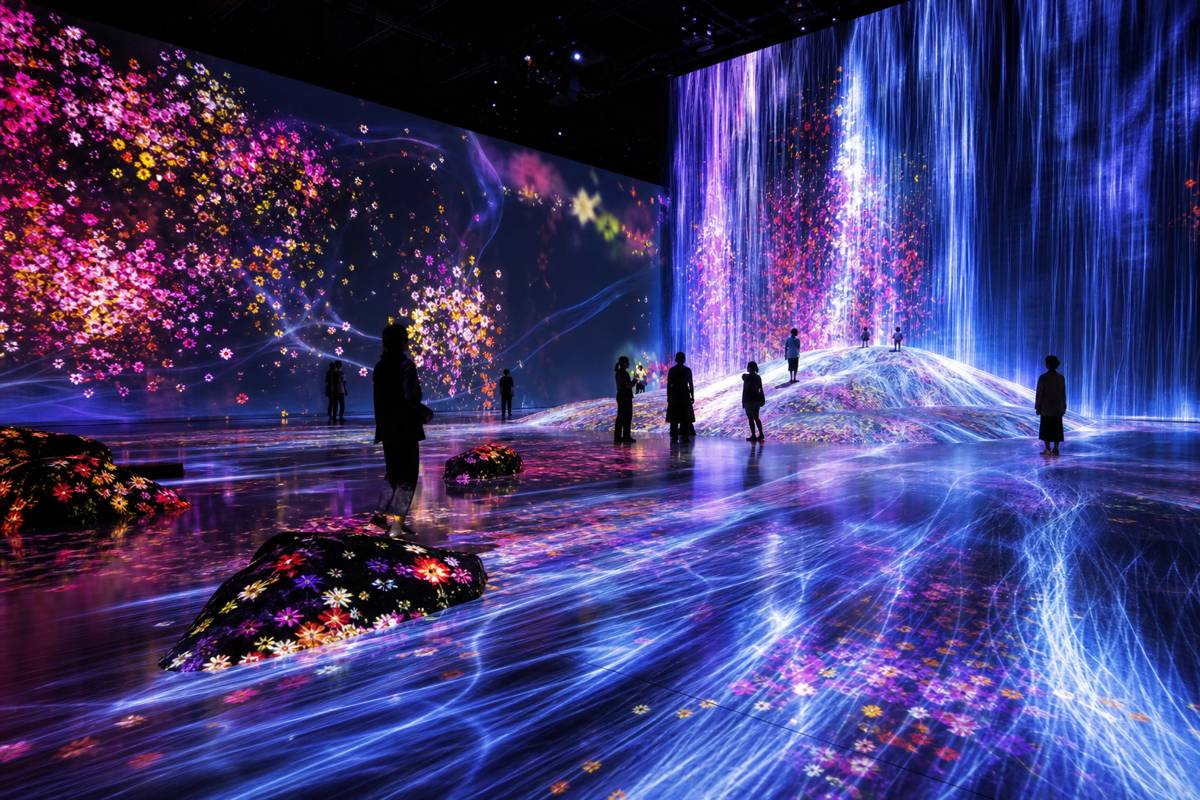
For travelers wondering what to do in Kyoto beyond temples and shrines, teamLab BioVortex Kyoto adds a modern indoor attraction to the city. It is a strong option for rainy days, couples, families, and visitors looking for immersive digital art in Kyoto. Kyoto is famous as Japan's ancient capital, but modern art, digital technology, and creative spaces are also becoming part of the Kyoto travel experience. A digital art visit works well between outdoor sightseeing stops because it is indoors, visual, and completely different from shrines, gardens, markets, and historic streets. For a balanced Kyoto itinerary, pair this modern indoor activity with one traditional experience such as a tea ceremony or the Samurai Ninja Museum. This gives visitors both sides of Kyoto: historic culture, hands-on learning, and new creative energy. |
4. Nishiki Market |
|
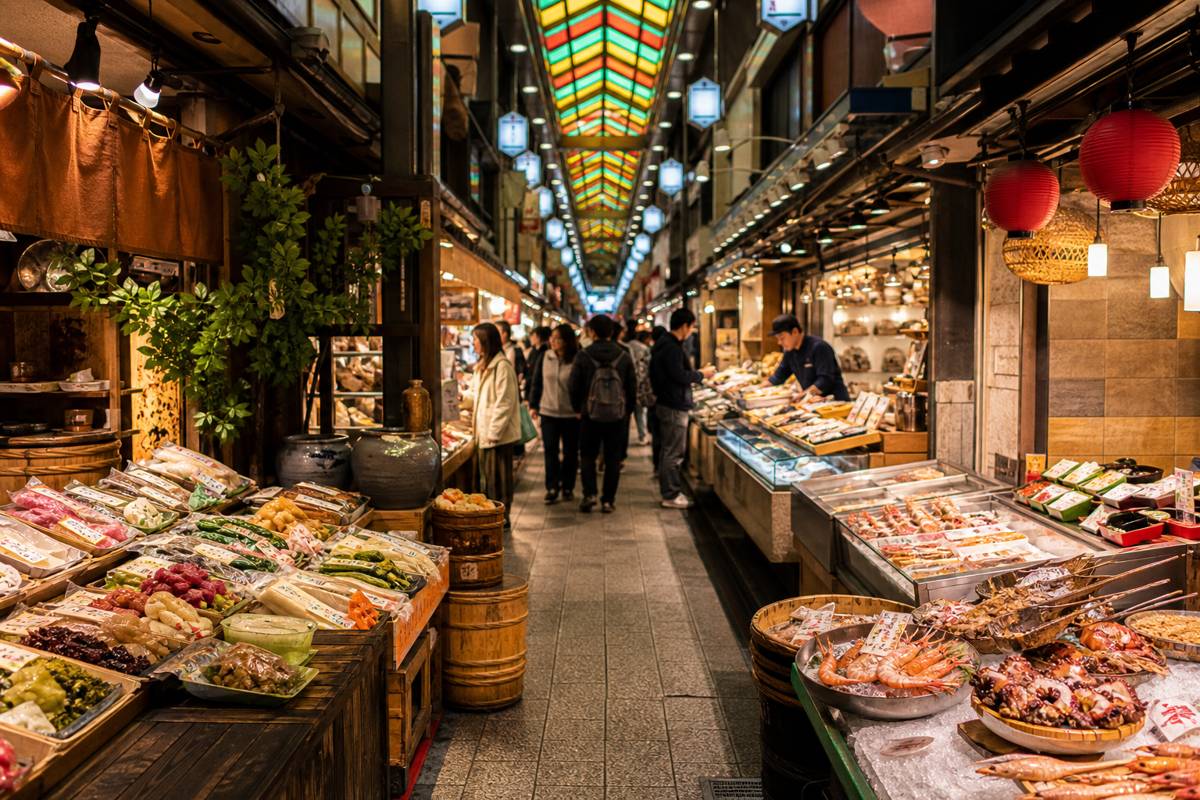
Nishiki Market is one of the best places to visit in Kyoto for food lovers and first-time visitors. Known as Kyoto's kitchen, this covered food street offers local snacks, tea, sweets, seafood, pickles, and casual bites in the heart of downtown Kyoto. The market is best enjoyed as a tasting walk rather than a full restaurant meal. Look for soy milk donuts, grilled seafood, tamago, matcha sweets, pickles, and seasonal Kyoto specialties. Many shops are small, so move with the flow of the street and eat only where each shop allows it. Nishiki is useful for planning because it sits near Teramachi, Shinkyogoku, Shijo-Kawaramachi, Samurai Ninja Museum Kyoto, and several tea ceremony locations. It is easy to combine with shopping, a cultural activity, or an afternoon walk toward Gion and Pontocho. |
5. Fushimi Inari Taisha |
|
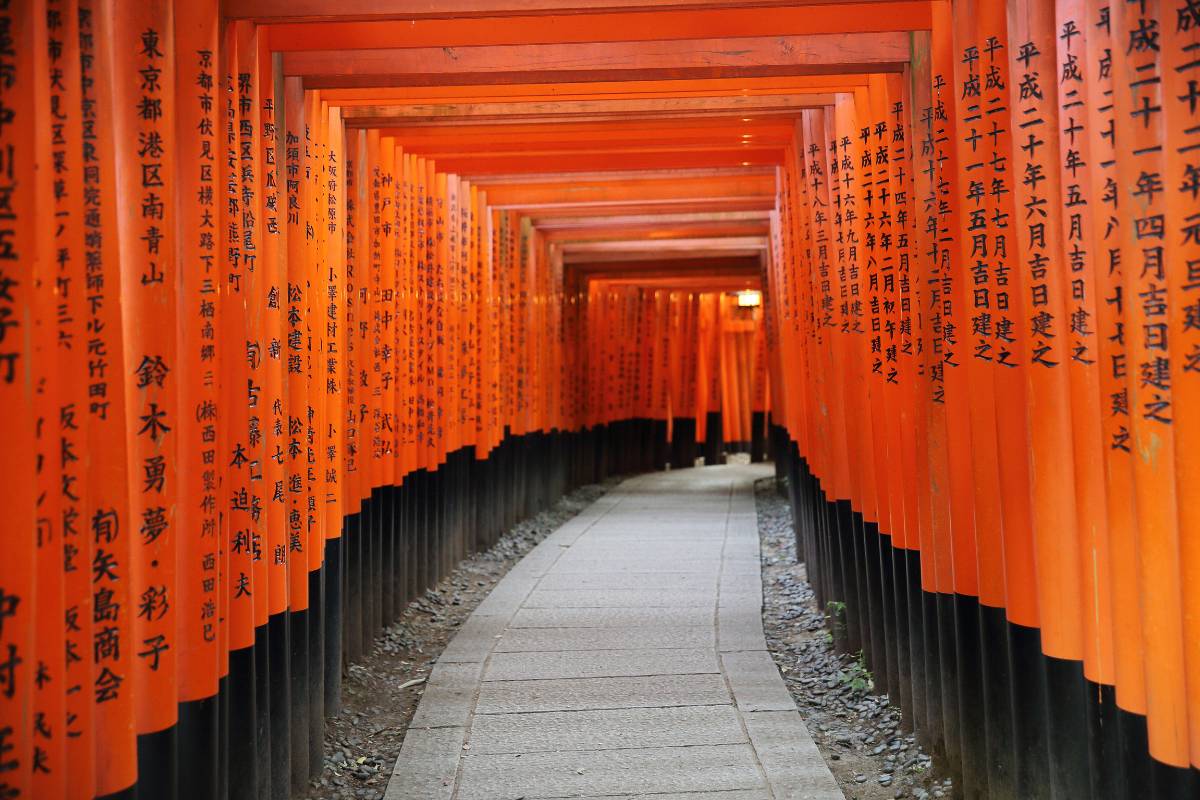
Fushimi Inari Taisha is one of the most famous Kyoto sightseeing spots, known for its thousands of red torii gates. It is a must-see shrine for first-time visitors, photographers, and travelers looking for classic Kyoto scenery and one of the city's most iconic photo spots. The main attraction is the long path of vermilion torii gates leading up Mount Inari. You do not need to hike the entire mountain to enjoy the shrine; many visitors walk partway, take photos where allowed, and return when the path becomes quieter. Fushimi Inari is especially good for travelers searching for free things to do in Kyoto, famous shrines in Kyoto, and scenic walking routes. Visit early in the morning or later in the day for a calmer atmosphere, and wear comfortable shoes if you plan to continue higher up the mountain. |
6. Kiyomizu-dera, Ninenzaka and Sannenzaka |
|
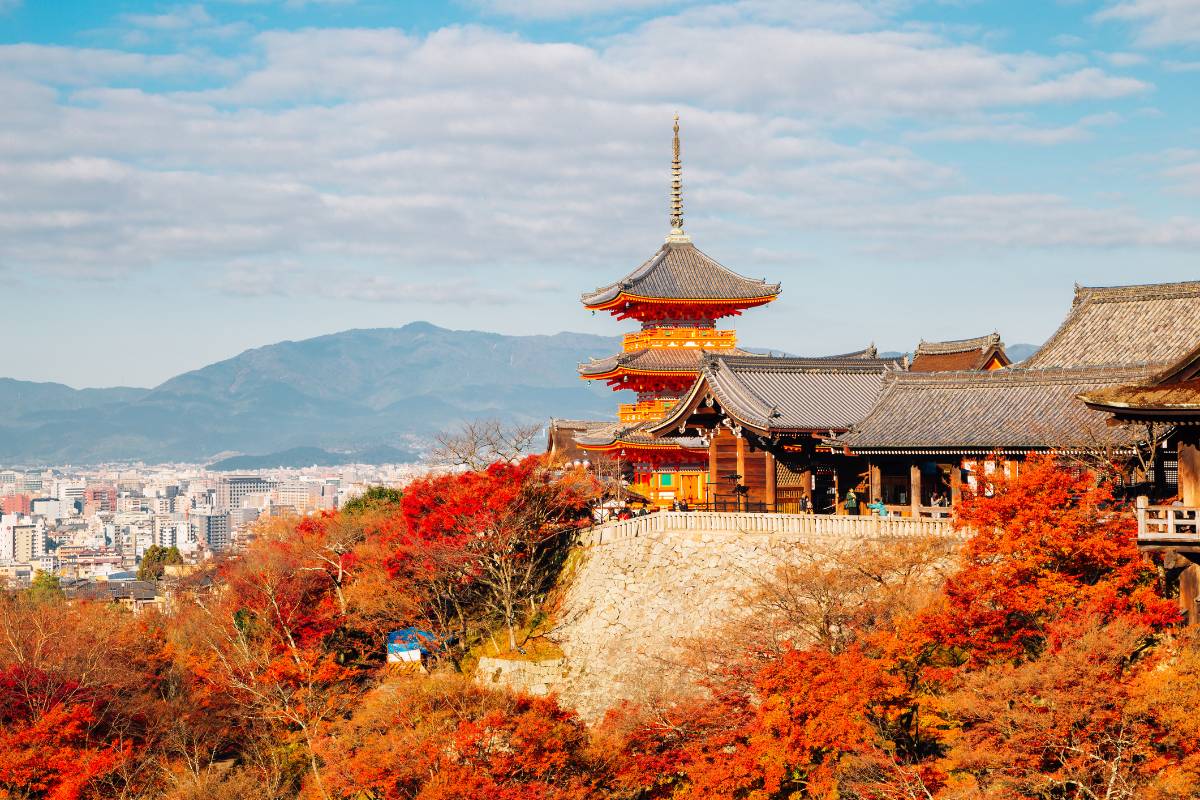
Kiyomizu-dera is a must-see Kyoto temple with sweeping city views, seasonal scenery, and historic streets nearby. After visiting the temple, walk through Ninenzaka and Sannenzaka for traditional shops, teahouses, sweets stores, and classic Higashiyama atmosphere. This area is one of the easiest places to understand why Kyoto is called Japan's cultural capital. The famous temple stage, hillside views, wooden buildings, pottery shops, narrow stone lanes, and seasonal photo spots create a full Kyoto sightseeing route rather than a single stop. For a smoother Kyoto itinerary, start early, visit Kiyomizu-dera before the heaviest crowds, then walk slowly through Sannenzaka and Ninenzaka toward Yasaka Pagoda or Gion. Be careful on the stone slopes, especially after rain, and follow photography signs around private shops and residential lanes. |
7. Arashiyama Bamboo Grove |
|
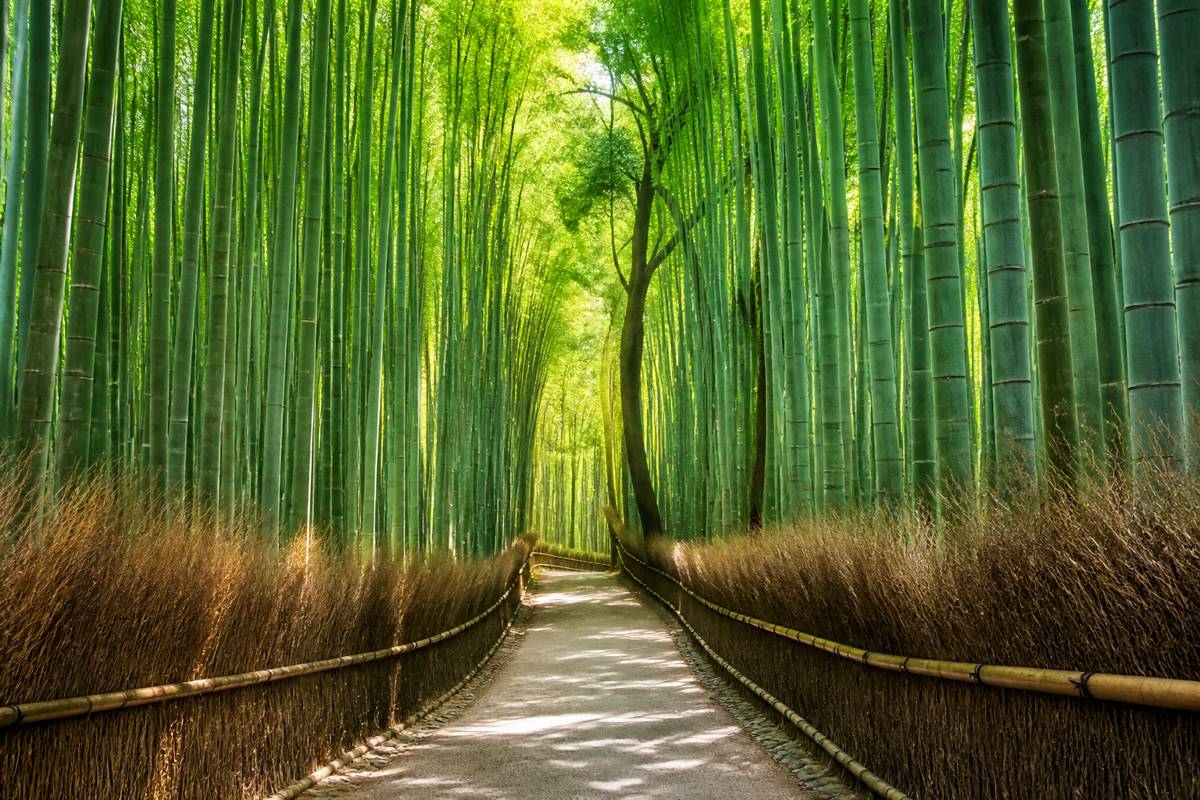
Arashiyama is one of the top Kyoto attractions for nature, bamboo, riverside scenery, temples, and local cafes. The Arashiyama Bamboo Grove is the most famous spot, so go early if you want to enjoy the bamboo path before the crowds. The bamboo grove is the iconic image, but Arashiyama works best as a half-day Kyoto itinerary. After the bamboo path, consider Tenryu-ji Temple, the riverside near Togetsukyo Bridge, small local cafes, and quieter lanes away from the main crowd. Families, couples, and repeat visitors often enjoy Arashiyama because it feels different from central Kyoto. It is greener, more spacious, and easy to turn into a relaxed morning or afternoon with nature, temples, photos, and riverside walks rather than a rushed checklist stop. |
8. Kyoto Prefectural Botanical Garden |
|
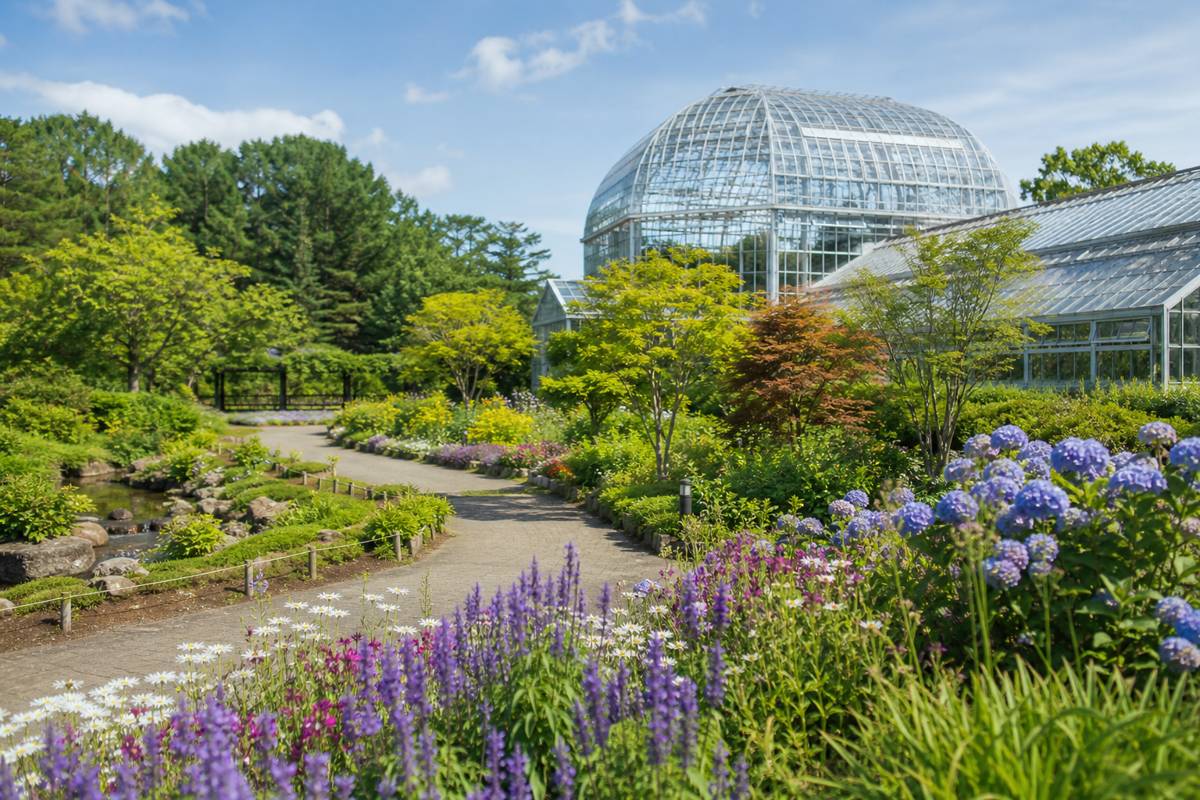
Kyoto Prefectural Botanical Garden is a peaceful place to visit in Kyoto when you want seasonal flowers, greenery, and a slower local atmosphere. It is especially good for repeat visitors, garden lovers, families, and travelers who want a break from crowded temples and busy streets. This is a strong addition to a modern Kyoto things-to-do list because it offers a spacious alternative to the most crowded sightseeing routes. Seasonal flowers, tree-lined paths, lawns, and greenhouse-style plant displays make it easy to spend a calm hour or two without rushing. It is a good choice for travelers looking for hidden gems in Kyoto after seeing the major temples. Pair it with northern Kyoto, the Kamo River area, or a relaxed cafe stop for a slower Kyoto itinerary with more breathing room. |
9. Kinkaku-ji, the Golden Pavilion |
|
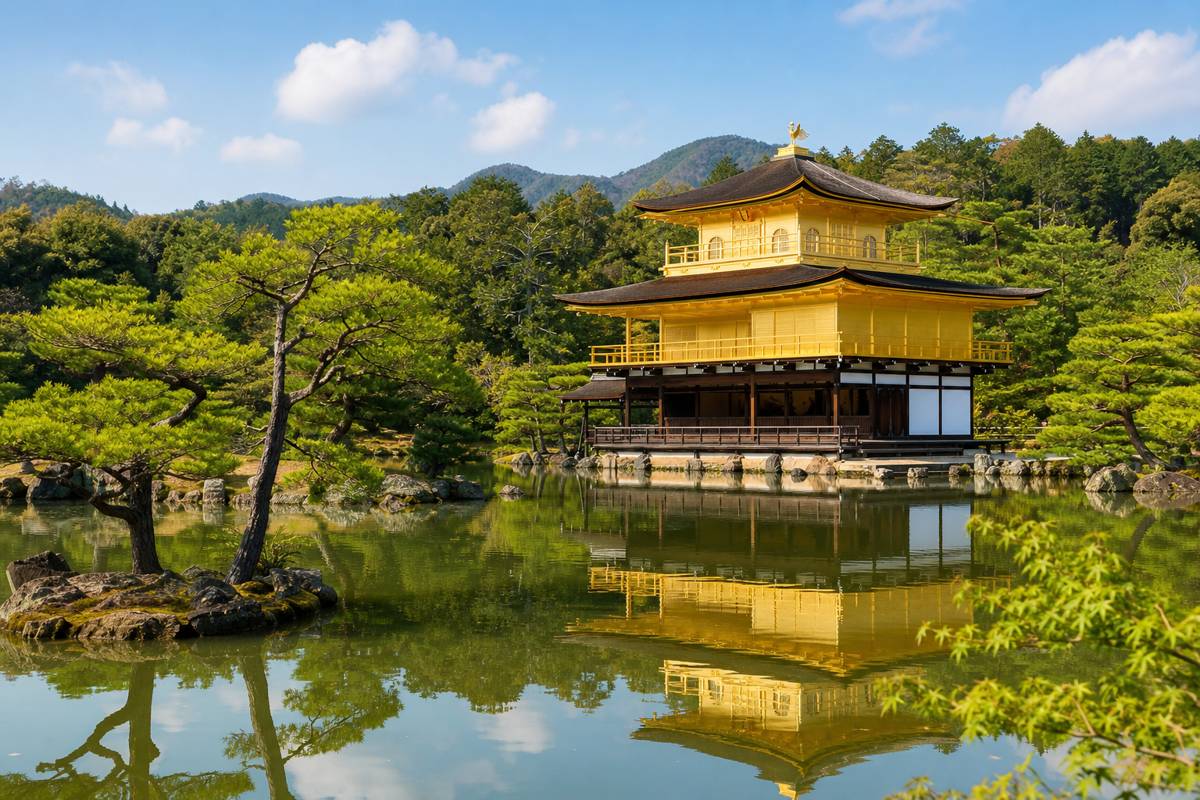
Kinkaku-ji, also known as the Golden Pavilion, is one of Kyoto's most iconic temples and a must-see spot for first-time visitors. The golden temple reflected in the pond is one of the most recognizable views in Kyoto sightseeing. The visit is usually short, but the visual impact is high. The walking route around the pond gives different angles of the pavilion, garden, and reflection, making Kinkaku-ji a classic Kyoto temple stop for travelers who want famous scenery and memorable photos. Because Kinkaku-ji is not in the same downtown area as Nishiki Market or Gion, plan it with nearby northern or western Kyoto sights instead of trying to squeeze it between distant stops. Morning visits tend to feel calmer, while clear weather gives the brightest reflection. |
10. Gion and Hanamikoji Street |
|
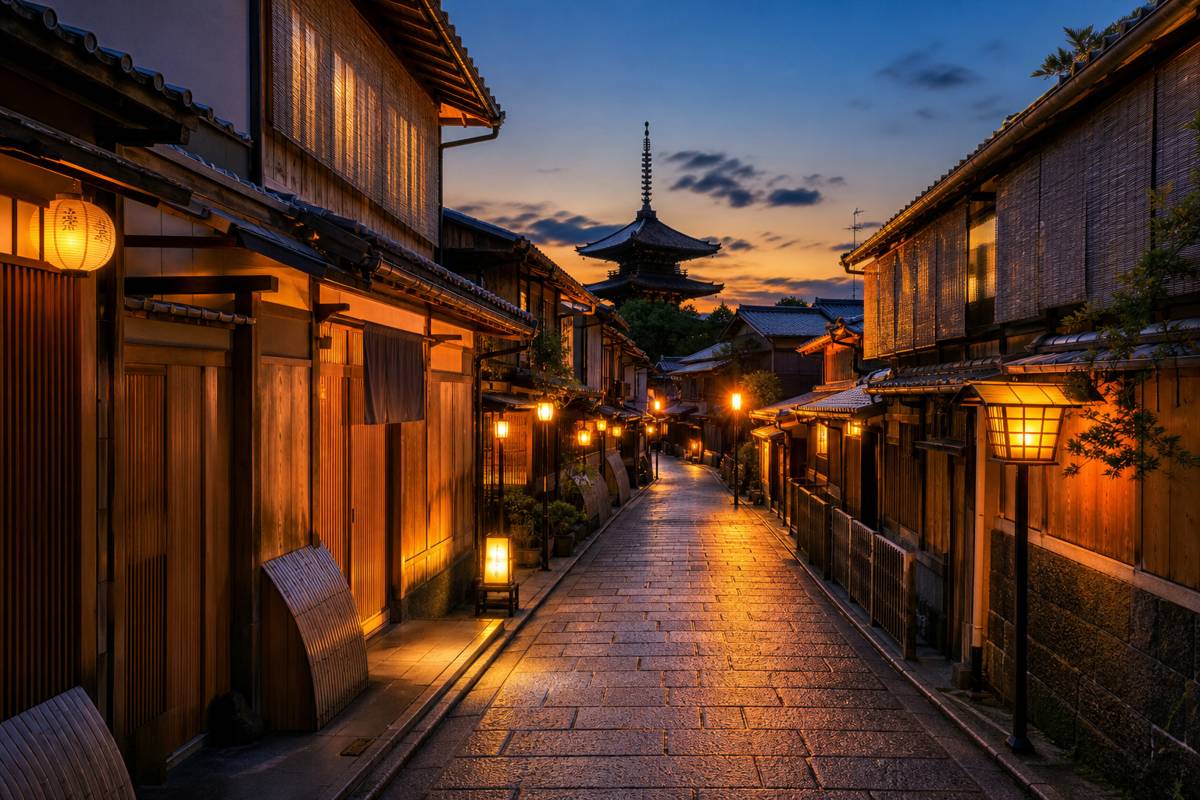
Gion and Hanamikoji Street are perfect for travelers who want to experience Kyoto's traditional atmosphere. The area is known for wooden townhouses, teahouses, narrow lanes, evening lights, and the refined culture of geiko and maiko. Gion is not a theme park; it is a working historic district where restaurants, teahouses, residents, geiko, and maiko share the same streets. The best way to enjoy this famous Kyoto area is to walk quietly, admire the architecture, and avoid stopping people for photos. If you want to enjoy Kyoto's evening atmosphere, visit around dusk and combine Gion with Yasaka Shrine, the Kamo River, or Pontocho. Follow posted photography rules, respect private lanes, and never chase or photograph geiko or maiko without permission. |
Kyoto Cafes Worth Adding to Your Route
 |
|||||||||
|
Kyoto has a deep coffee culture as well as matcha, sweets, and traditional tea. For visitors planning a Kyoto sightseeing day, these three cafes are easy to understand and easy to add to a route: an authentic Neapolitan espresso stop, a historic Kyoto coffee house, and a long-loved local cafe near Karasuma. Use them as relaxed breaks around a kimono tea ceremony in Kyoto, Samurai Ninja Museum Kyoto, Nishiki Market, Kiyomizu-dera, Gion, Karasuma, or downtown Kyoto. A good cafe stop gives travelers time to rest without losing the cultural flow of the day.
|
Indoor Activities in Kyoto
Rainy day Kyoto does not have to mean wasted timeKyoto has many indoor activities for rainy days, hot summer afternoons, winter travel, and family itineraries that need a break from long outdoor walks. Samurai Ninja Museum Kyoto, Kimono Tea Ceremony Maikoya, and teamLab BioVortex Kyoto are already in the top 10 above, but the city also has museums, covered shopping streets, food floors, and workshops that keep the day flexible. |
Kyoto Railway MuseumKyoto Railway Museum is one of the best indoor activities in Kyoto for families, train fans, and rainy days. It works well with Umekoji Park and Kyoto Aquarium, so you can build an easy half-day itinerary near Kyoto Station. |
Kyoto International Manga MuseumKyoto International Manga Museum is a useful indoor stop for travelers interested in Japanese pop culture, manga history, and a quieter break from temple sightseeing. Its central location near Karasuma Oike makes it easy to add to a downtown Kyoto plan. |
Kyoto National MuseumKyoto National Museum is best for visitors who want deeper context on Buddhist art, crafts, painting, and Kyoto history. It pairs naturally with Sanjusangendo and the Higashiyama area, especially on rainy days or slower cultural travel days. |
Nishiki Market and covered arcadesNishiki Market, Teramachi, and Shinkyogoku are helpful when the weather changes suddenly. You can snack, shop, buy souvenirs, and stay mostly under cover while remaining close to downtown Kyoto attractions. |
Traditional craft workshopsCalligraphy, incense, wagashi sweets, and small craft classes are good Kyoto workshops when you want something hands-on but slower than a full sightseeing route. They also work well for couples, families, and repeat visitors. |
Department stores and food floorsKyoto department store food floors are useful for souvenirs, seasonal sweets, bento, tea, and quick meals. They are practical for mixed-age groups, rainy days, and travelers who want a clean indoor break near major stations. |
Family-Friendly Things to Do in Kyoto
|
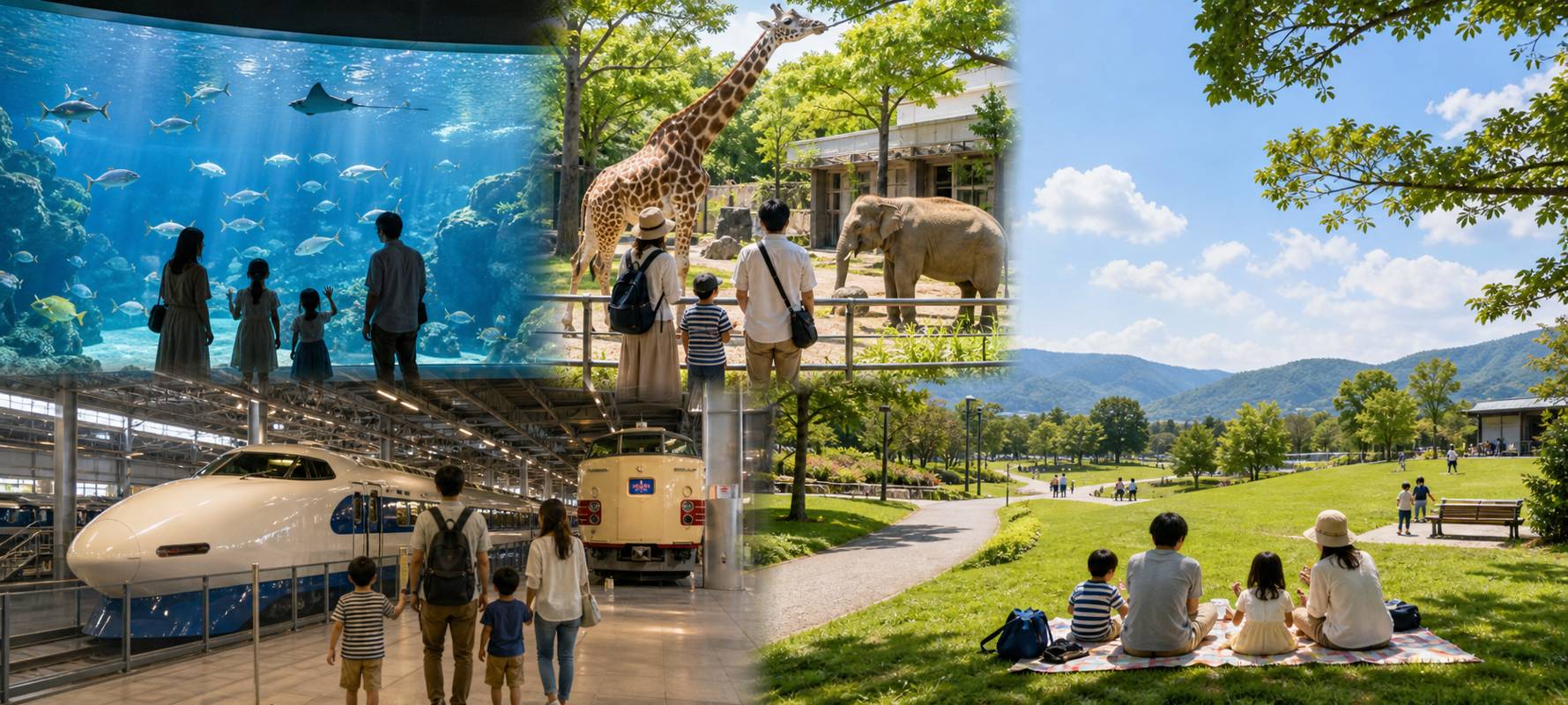
For families and kids, Kyoto experiences with hands-on activities are often easier than long temple walks. Samurai Ninja Museum Kyoto is a family-friendly choice with active samurai and ninja experiences, while Kimono Tea Ceremony MAIKOYA offers a calmer cultural option for parents, couples, and older children. When planning Kyoto with kids, choose shorter visits, indoor activities, and places where children can participate instead of only sightseeing. If your family needs more space, weather-proof plans, or a break from temples, add the family-friendly Kyoto attractions below. |
Kyoto AquariumLocated near Umekoji Park, Kyoto Aquarium is one of the easiest family-friendly places to visit around Kyoto Station. It is useful on rainy days, hot afternoons, and travel days when children need a slower indoor stop. |
Kyoto City ZooKyoto City Zoo is a good choice for families staying near Higashiyama, Okazaki, Heian Shrine, or the museum area. It gives children a break from temples while keeping the day easy to manage within Kyoto city. |
Kyoto Railway MuseumLarge indoor exhibits, trains, and hands-on displays make Kyoto Railway Museum one of the best Kyoto kids activities, especially for elementary-age children and train-loving families. |
Umekoji ParkWhen the weather is good, Umekoji Park is useful for open space, snacks, and a pause between Kyoto Aquarium and Kyoto Railway Museum. It is easier with kids than crossing the city for one more temple. |
UZUMASA KYOTO VILLAGEUZUMASA KYOTO VILLAGE is a fun option for families who want ninja, samurai, period drama sets, and entertainment outside the usual temple route. It works well for travelers searching for unique things to do in Kyoto with kids. |
Short cultural workshopsChoose shorter tea, craft, sweets, kimono, samurai, or ninja activities if your children may not enjoy long walks. Hands-on Kyoto experiences often create stronger memories than rushing through too many sightseeing spots. |
Kyoto Travel Tips
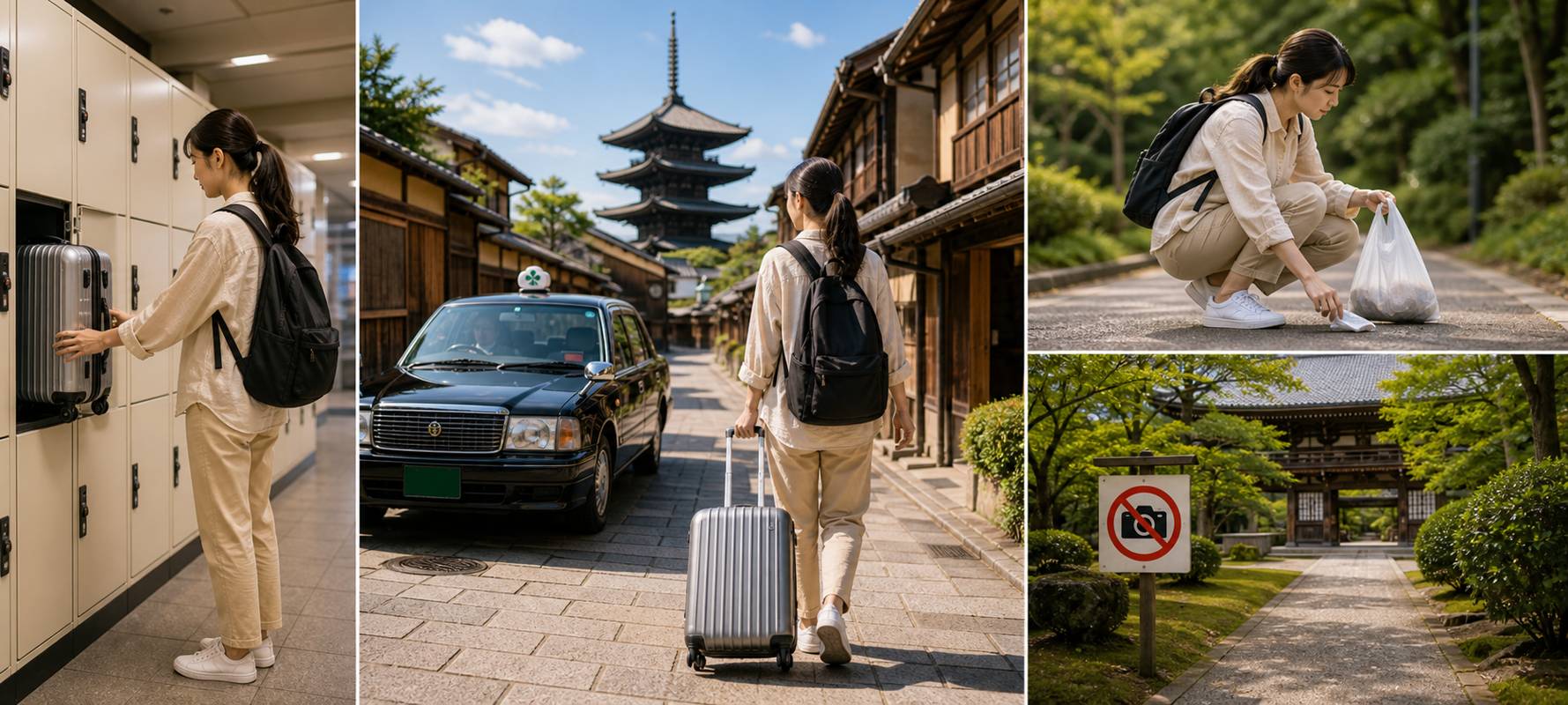
Plan around downtownFor a first Kyoto itinerary, Shijo-Kawaramachi, Karasuma Shijo, Gion, Teramachi, and Nishiki Market are more central for shopping, food, tea ceremony, samurai experiences, and evening walks than Kyoto Station. Kyoto Station is excellent for trains, hotels, Kyoto Tower, buses, and day trips, but many visitors spend more sightseeing time around downtown Kyoto and Higashiyama. Book key experiences earlySamurai, ninja, tea ceremony, geisha shows, and indoor Kyoto experiences can fill up during busy seasons, weekends, and rainy days. Booking ahead is especially helpful for families, larger groups, and travelers with limited time because same-day time slots may not match your route. Carry some cashSome temples, markets, small restaurants, coin lockers, and traditional shops still prefer Japanese yen, especially for small purchases. Credit cards are much more common than before, but carrying cash makes Nishiki Market snacks, buses, temple admissions, and local sweets easier. Start famous sights earlyFushimi Inari, Arashiyama, and Kiyomizu-dera are easier to enjoy before the main crowds arrive. If you want photos, quieter paths, or a less stressful family visit, make one famous outdoor sight your first stop, then move to indoor activities, markets, cafes, or booked experiences later in the day. Use taxis or luggage delivery with large bagsKyoto city buses can become extremely crowded, and large suitcases make boarding difficult for residents and other travelers. Avoid bringing oversized luggage onto city buses. Use a taxi, luggage delivery, station lockers, or hotel storage when moving with big bags or traveling with children. Take trash back to your hotelPublic trash bins are limited in Kyoto. Keep a small bag for wrappers, bottles, and food packaging, then dispose of them at your hotel or an appropriate bin. This is especially important around Nishiki Market, shrines, temples, and historic streets where litter quickly damages the local atmosphere. Respect photo rules and private areasMany temples, gardens, museums, shops, and private lanes have specific photography rules. In Gion and other geiko districts, never chase, block, touch, or photograph geiko or maiko without permission. They are working professionals with privacy and portrait rights. Do not eat while blocking streetsFood markets are fun, but many Kyoto streets are narrow. Buy from a shop, eat where the shop allows it, and avoid walking while eating in crowded lanes. This keeps the flow of people moving and helps protect Kyoto's local shopping streets. |
Kyoto Cultural Experiences to Add to Your Trip
|
FAQ: What to Do in Kyoto
What are the best things to do in Kyoto for first-time visitors?
First-time visitors should combine famous sightseeing spots such as Fushimi Inari, Kiyomizu-dera, Arashiyama, Gion, Nishiki Market, and Kinkaku-ji with hands-on Kyoto experiences like a samurai museum visit or a traditional tea ceremony in kimono. This gives you classic Kyoto views plus a deeper cultural experience that is easier to remember than only taking photos of temples.
What are the best indoor activities in Kyoto?
The best indoor activities in Kyoto include Samurai Ninja Museum Kyoto, Kimono Tea Ceremony Maikoya, teamLab BioVortex Kyoto, Kyoto Railway Museum, Kyoto International Manga Museum, Kyoto National Museum, covered shopping arcades, department store food floors, and short craft workshops. These are useful for rainy days, summer heat, winter cold, and families who need breaks between outdoor sightseeing stops.
What can families do in Kyoto?
Families can enjoy Samurai Ninja Museum Kyoto, Arashiyama, Nishiki Market, Fushimi Inari, Kyoto Botanical Garden, Kyoto Aquarium, Kyoto City Zoo, Kyoto Railway Museum, Umekoji Park, and shorter cultural activities such as tea ceremony, ninja, samurai, or craft workshops. A good family itinerary mixes one famous sight, one hands-on activity, and one flexible place where children can rest or move around.
What seasonal events and flowers can I enjoy in Kyoto?
Kyoto changes beautifully throughout the year, so seasonal events can shape your itinerary as much as temples and museums. Cherry blossoms, autumn leaves, hydrangeas, festivals, and evening illuminations vary by weather, so always check official dates before you travel.
- January: Hatsumode first shrine visits and the lively Ebisu Festival season.
- February: Plum blossoms begin to bloom at shrines, gardens, and temple grounds.
- March and April: Cherry blossom season, spring walks, and seasonal temple openings.
- May: Fresh green maple leaves, pleasant garden walks, and Aoi Matsuri.
- June: Hydrangeas, rainy-season gardens, and quieter indoor cultural activities.
- July: Gion Matsuri, one of Kyoto's most famous summer festivals.
- August: Summer evenings and Gozan no Okuribi, the mountain bonfire event.
- September: Harvest moon events, early autumn flowers, and calmer post-summer travel.
- October: The first signs of autumn and Jidai Matsuri, Kyoto's historical procession.
- November: Peak autumn leaves at temples, gardens, and mountain areas.
- December: Late autumn colors in some areas, year-end temple visits, and New Year's Eve traditions.
What should I do in Kyoto on a rainy day?
On a rainy day in Kyoto, choose indoor cultural experiences first: a kimono tea ceremony, Samurai Ninja Museum Kyoto, teamLab BioVortex Kyoto, Kyoto Railway Museum, Kyoto International Manga Museum, or Kyoto National Museum. Covered areas such as Nishiki Market, Teramachi, Shinkyogoku, and department store food floors are also useful for food, shopping, and short breaks.
Can I take photos of geiko or maiko in Kyoto?
Do not take close-up photos of geiko or maiko without permission, and never block, follow, touch, or stop them. Gion and Hanamikoji include working streets, private properties, and local rules. Always follow posted signs and treat geiko and maiko as professionals, not tourist attractions.
Should I use buses, trains, or taxis in Kyoto?
Use trains and subways when they match your route, buses for areas that are not near train stations, and taxis when traveling with large luggage, small children, older family members, or a group. Avoid bringing big suitcases onto crowded city buses. Lockers, hotel storage, luggage delivery, and taxis make Kyoto travel much smoother.
WELCOME TO KYOTO: OIDEYASU!


